
Navadurga Temples In Varanasi : Durga Puja/Navratri
Blog By – Devendra Kumar Mishra, +919839983021, www.tripvaranasi.com
Nav Durga Temples in Varanasi: A Sacred Journey Through the Nine Forms of Shakti
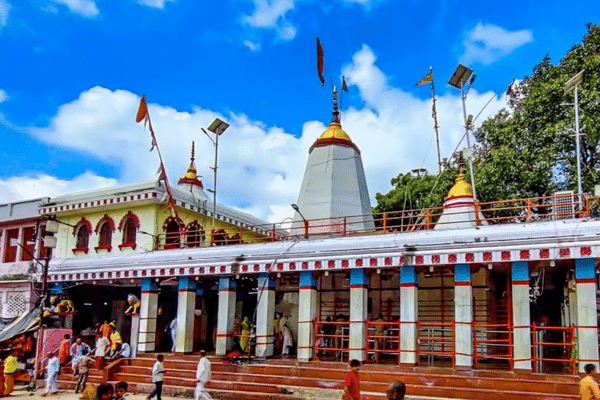
Varanasi, often called the spiritual capital of India, is not just a city of ghats and Shiva temples—it is also deeply connected with the worship of Shakti, the divine feminine energy. During the auspicious festival of Navratri, the city transforms into a vibrant spiritual landscape where devotees undertake a sacred pilgrimage to the Nav Durga temples, each dedicated to one of the nine manifestations of Goddess Durga.
This unique tradition of visiting nine temples across Varanasi symbolizes a complete spiritual journey—from purity and devotion to strength and ultimate enlightenment. These temples are rooted in ancient scriptures and local traditions, making them an essential part of Kashi’s religious heritage.
Significance of Nav Durga Worship
Navratri, meaning “nine nights,” is dedicated to the nine forms of Goddess Durga, collectively known as Navadurga. Each day represents a different aspect of divine feminine power—ranging from courage and austerity to wisdom and fulfillment. Worshipping all nine forms is believed to cleanse the soul, remove obstacles, and bring prosperity and spiritual awakening.
In Varanasi, this devotion takes a physical form: pilgrims visit all nine temples in sequence, symbolizing a progression of inner transformation. This tradition is considered highly auspicious and spiritually rewarding.
The Nine Nav Durga Temples in Varanasi
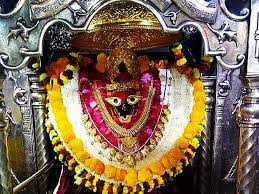
1. Maa Shailputri Temple (Marhia Ghat / Alaipura)
The first form of Durga, Shailputri, represents the daughter of the Himalayas and symbolizes strength and stability. Her temple in Varanasi is located near Marhia Ghat or Alaipura.
Devotees begin their Navratri journey here, seeking blessings for a strong foundation in life. The goddess is associated with nature and purity, marking the beginning of spiritual awakening. ()
2. Maa Brahmacharini Temple (Brahma Ghat)
The second form, Brahmacharini, signifies penance, devotion, and knowledge. The temple is located at Brahma Ghat near the Ganga.
Worshipping here is believed to grant wisdom and inner strength. This form of the goddess teaches discipline and dedication—qualities essential for spiritual growth. ()
3. Maa Chandraghanta Temple (Chowk Area)
Situated in the narrow गलियाँ of Chowk, this temple is dedicated to Chandraghanta, the warrior goddess.
She represents courage and protection from evil. Devotees visit this temple to gain bravery and confidence in overcoming life’s challenges. ()
4. Maa Kushmanda Temple (Durga Kund)
This form of Durga is believed to have created the universe with her divine smile. In Varanasi, she is worshipped at the famous Durga Mandir located in the Durga Kund area.
This temple, built in the 18th century, is one of the most prominent Durga shrines in the city and is especially crowded during Navratri. ()
Devotees pray here for health, wealth, and energy, as Kushmanda is associated with vitality and cosmic power. ()
5. Maa Skandmata Temple (Jaitpura)
Located in the Jaitpura area, this temple is dedicated to Skandmata, the mother of Lord Kartikeya (Skanda).
She symbolizes motherhood, compassion, and protection. Worshipping her is believed to bring harmony in family life and blessings for children. ()
6. Maa Katyayani Temple (Scindia Ghat / Atma Veereshwar Temple)
Maa Katyayani, the fierce warrior goddess, is worshipped at a temple near Scindia Ghat, within the premises of Atma Veereshwar Temple.
She represents courage and the destruction of evil forces. Devotees seek her blessings for protection, especially from negative energies and fears. ()
7. Maa Kalratri Temple (Varanasi)
Kalratri is one of the most powerful and fearsome forms of Durga, symbolizing the destruction of darkness and ignorance.
Her temple in Varanasi attracts devotees seeking protection from evil and spiritual liberation. Special पूजा and aartis are performed here during Navratri. ()
8. Maa Mahagauri Temple (Annapurna / Nearby Areas)
Mahagauri represents purity, peace, and forgiveness. Though not as prominently documented as others, her worship in Varanasi is associated with areas near Annapurna Temple.
Devotees visit her shrine for purification of the soul and fulfillment of desires.
9. Maa Siddhidatri Temple (Varanasi)
The ninth and final form, Siddhidatri, is the giver of supernatural powers (siddhis) and spiritual enlightenment.
Her temple marks the culmination of the Nav Durga pilgrimage. Worshipping Siddhidatri is believed to grant ultimate knowledge, success, and divine blessings. ()
Spiritual Experience of the Nav Durga Yatra
Undertaking the Nav Durga temple circuit in Varanasi is not just a religious activity—it is a deeply immersive spiritual journey. The route takes devotees through ancient गलियाँ, sacred ghats, and vibrant neighborhoods, offering a glimpse into the timeless culture of Kashi.
Each temple visit represents a step closer to self-realization. From the grounding energy of Shailputri to the divine fulfillment of Siddhidatri, the journey mirrors the inner transformation of a devotee.
During Navratri, these temples witness massive crowds, devotional songs, elaborate rituals, and continuous aartis, creating an atmosphere charged with faith and devotion.
Conclusion : Navadurga Temples In Varanasi : Durga Puja/Navratri
The Nav Durga temples of Varanasi are more than just places of worship—they are living embodiments of India’s spiritual philosophy. Each temple narrates a story of शक्ति, devotion, and transformation.
For pilgrims and travelers alike, visiting these nine temples during Navratri offers a rare opportunity to experience the divine feminine in its fullest expression. Whether you seek strength, wisdom, or inner peace, this sacred journey through the Nav Durga temples of Kashi promises a deeply enriching and unforgettable spiritual experience.
In the eternal city of Varanasi, where every corner echoes with chants and devotion, the Nav Durga Yatra stands as a powerful reminder of the triumph of divine energy over darkness—both in the world and within ourselves.
Blog By – Devendra Kumar Mishra, +919839983021, www.tripvaranasi.com