
9 Durga Temples In Varanasi : Durga Puja Navratri
Blog By – Devendra Kumar Mishra, Licensed Tourist Guide In Varanasi, Phone +919839983021, Website: www.tripvaranasi.com
Nav Durga Temples in Varanasi: A Sacred Journey Through the Nine Forms of Shakti
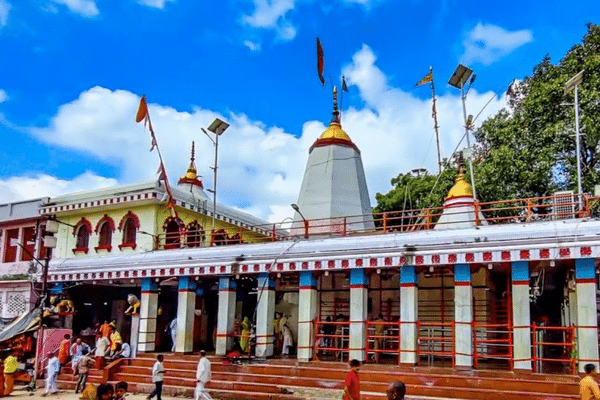
Varanasi, also known as Kashi and Banaras, is famous for its ancient temples, sacred ghats, and deep spiritual traditions. However, the city also holds a special place in the worship of Shakti, the divine feminine energy.
During Navratri, devotees across Varanasi celebrate the nine forms of Goddess Durga, collectively known as Nav Durga. Many pilgrims visit temples associated with these nine forms and experience the spiritual atmosphere of Kashi during this auspicious festival.
The Nav Durga tradition represents a spiritual journey through different forms of divine feminine energy. Each form carries a unique meaning and reminds devotees of qualities such as strength, devotion, courage, purity, wisdom, and spiritual fulfillment.
Significance of Nav Durga Worship in Varanasi
Navratri means “nine nights” and celebrates the nine manifestations of Goddess Durga. Each day of Navratri traditionally focuses on one form of the goddess.
For devotees, each form represents a different quality of Shakti. For example, Shailputri represents strength and stability, Brahmacharini represents devotion and penance, while Siddhidatri represents spiritual fulfillment.
Therefore, visiting temples connected with the Nav Durga tradition can become a meaningful spiritual experience. In addition, the journey allows visitors to explore Varanasi’s ancient lanes, temples, ghats, and neighborhoods.
During Navratri, the city becomes especially vibrant. Devotees offer prayers, flowers, lamps, and other sacred offerings, while temples host special pujas and aartis.
The Nine Durga Temples in Varanasi
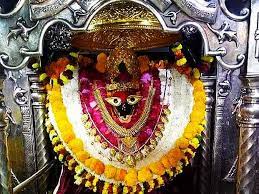
1. Maa Shailputri Temple (Marhia Ghat / Alaipura)
Maa Shailputri represents the first form of Goddess Durga. Tradition describes her as the daughter of the Himalayas, and devotees associate her with strength, stability, and purity.
The Shailputri shrine in Varanasi lies around the Marhia Ghat and Alaipura area. Devotees traditionally begin their Nav Durga worship with Maa Shailputri.
Furthermore, many devotees seek her blessings for strength and a stable beginning in life. Her worship also represents the first step toward spiritual awakening.
2. Maa Brahmacharini Temple (Brahma Ghat)
The second form of Goddess Durga is Maa Brahmacharini. She represents devotion, penance, discipline, and spiritual knowledge.
Her shrine is associated with Brahma Ghat, close to the sacred Ganga.
Devotees pray to Maa Brahmacharini for inner strength and wisdom. Moreover, her story reminds devotees of the importance of patience, dedication, and self-discipline.
As a result, the second stage of the Nav Durga journey focuses on developing inner strength after establishing a strong spiritual foundation.
3. Maa Chandraghanta Temple (Chowk Area)
The third form, Maa Chandraghanta, represents courage, protection, and divine power.
Devotees associate her worship with the removal of fear and the development of confidence. Her shrine lies within the historic areas of Varanasi, where narrow lanes, traditional houses, markets, and old temples create a distinctive atmosphere.
Therefore, visiting this temple also gives travelers an opportunity to experience the traditional character of the old city.
4. Maa Kushmanda Temple (Durga Kund)
Maa Kushmanda represents the fourth form of Goddess Durga. Hindu tradition associates her with the creation of the universe through her divine energy.
In Varanasi, devotees worship her at the famous Durga Mandir near Durga Kund. The temple stands among the city’s important Shakti shrines and attracts large numbers of devotees, particularly during Navratri.
The temple’s traditional architecture and religious importance make it an important stop for pilgrims exploring the spiritual heritage of Varanasi.
Moreover, devotees pray to Maa Kushmanda for health, prosperity, vitality, and positive energy.
5. Maa Skandmata Temple (Jaitpura)
The fifth form of Goddess Durga is Maa Skandmata, the mother of Lord Kartikeya, also known as Skanda.
She represents motherhood, compassion, and protection. Devotees especially associate her worship with family well-being and blessings for children.
The shrine in the Jaitpura area forms part of the Nav Durga tradition in Varanasi.
6. Maa Katyayani Temple Scindia Ghat / Atma Veereshwar Temple
Maa Katyayani represents the sixth form of Goddess Durga. Devotees associate her with courage, protection, and the destruction of negative forces.
In Varanasi, tradition connects her worship with the area around Scindia Ghat and the Atma Veereshwar Temple.
7. Maa Kalratri Temple (Varanasi)
The seventh form, Maa Kalaratri, represents the powerful aspect of Goddess Durga that removes darkness and fear.
Although her appearance may seem fierce, devotees worship Kalaratri as a protective form of the goddess. Her worship represents the destruction of ignorance, fear, and negative influences.
8. Maa Mahagauri Temple (Annapurna / Nearby Areas)
The eighth form of Goddess Durga is Maa Mahagauri. She represents purity, peace, compassion, and spiritual cleansing.
Traditions in Varanasi connect her worship with shrines in and around the Annapurna Temple area.
Devotees seek her blessings for peace, purification, and fulfillment of their prayers. In addition, her worship represents the movement from the powerful energy of Kalaratri toward peace and spiritual clarity.
9. Maa Siddhidatri Temple (Varanasi)
The ninth and final form of Nav Durga is Maa Siddhidatri.
Tradition describes Siddhidatri as the goddess who grants spiritual accomplishments and divine blessings. Therefore, she represents the culmination of the Nav Durga journey.
Devotees pray to Maa Siddhidatri for wisdom, spiritual progress, success, and fulfillment.
Spiritual Experience of the Nav Durga Yatra
Undertaking the Nav Durga temple circuit in Varanasi is not just a religious activity—it is a deeply immersive spiritual journey. The route takes devotees through ancient गलियाँ, sacred ghats, and vibrant neighborhoods, offering a glimpse into the timeless culture of Kashi.
Each temple visit represents a step closer to self-realization. From the grounding energy of Shailputri to the divine fulfillment of Siddhidatri, the journey mirrors the inner transformation of a devotee.
During Navratri, these temples witness massive crowds, devotional songs, elaborate rituals, and continuous aartis, creating an atmosphere charged with faith and devotion.
When to Experience Nav Durga Worship in Varanasi
The Nav Durga temples of Varanasi are more than just places of worship—they are living embodiments of India’s spiritual philosophy. Each temple narrates a story of शक्ति, devotion, and transformation.
For pilgrims and travelers alike, visiting these nine temples during Navratri offers a rare opportunity to experience the divine feminine in its fullest expression. Whether you seek strength, wisdom, or inner peace, this sacred journey through the Nav Durga temples of Kashi promises a deeply enriching and unforgettable spiritual experience.
In the eternal city of Varanasi, where every corner echoes with chants and devotion, the Nav Durga Yatra stands as a powerful reminder of the triumph of divine energy over darkness—both in the world and within ourselves.
Explore the Nav Durga Temples with a Local Guide
If you are planning a Nav Durga Yatra, Durga Puja visit, Navratri pilgrimage, or spiritual tour of Varanasi, you can contact Devendra Kumar Mishra, a licensed tourist guide with extensive experience in Varanasi and surrounding pilgrimage destinations.
Book your Varanasi tour, temple tour, heritage walk, boat ride, and local sightseeing experience.
Contact: +91 9839983021
Website: www.tripvaranasi.com