
Places To Visit In Ayodhya
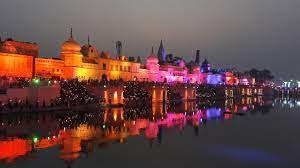
Places To Visit In Ayodhya
Ayodhya, one of India’s most revered pilgrimage cities, stands on the banks of the sacred Saryu River in Uttar Pradesh. Hindus traditionally regard Ayodhya as the birthplace of Lord Rama, the seventh incarnation of Lord Vishnu. The city also holds an important place in the Ramayana and India’s religious and cultural heritage.
Ancient texts, including the Ramayana and Mahabharata, mention Ayodhya and its association with the ancient Kosala Kingdom. Today, pilgrims and travellers visit the city to explore its temples, ghats, sacred sites, and vibrant religious traditions.
Some of the most important places to visit in Ayodhya include Shri Ram Janmabhoomi Mandir, Hanuman Garhi, Kanak Bhawan, Nageshwarnath Temple, Ram Ki Paidi, Dashrath Mahal, and the Saryu River.
If you are planning your first visit, the following guide will help you understand the importance of each place and plan your sightseeing.
Shri Ram Janmabhoomi
The Ram Janmabhoomi site in Ayodhya is one of India’s most significant and contested religious landmarks. Here’s an overview of its historical, religious, and contemporary importance:
Religious and Historical Significance
For millions of Hindu devotees, Ram Janmabhoomi represents one of the most important pilgrimage sites in India. The site also has a complex modern history because of the long-running dispute over the religious structures that occupied the location.
The Supreme Court of India delivered its judgment on the Ayodhya land dispute on 9 November 2019. The judgment paved the way for the construction of the Ram temple at the disputed site and directed the government to provide separate land for a mosque.
Following the judgment, construction of the new temple began, and the temple has since become a major pilgrimage attraction.
Today, visitors come to Ayodhya to seek darshan of Lord Rama and experience the spiritual atmosphere surrounding the temple complex.
Important Visitor Information
Darshan timings and entry arrangements can change according to festivals, security requirements, and administrative decisions. Therefore, check the latest official information before your visit.
Visitors should also follow the temple’s security rules and restrictions on items such as mobile phones and other belongings.
Current Status
- Construction: Following the Supreme Court’s ruling, the foundation stone for the new Ram Temple was laid on August 5, 2020, by Indian Prime Minister Narendra Modi. The construction of the temple is ongoing, and it is expected to be a major pilgrimage site once completed.
- Visitor Experience: The site attracts numerous devotees and tourists. Visitors can explore the ongoing construction of the Ram Temple and the various smaller temples and shrines around the area.
Hanuman Garhi Mandir
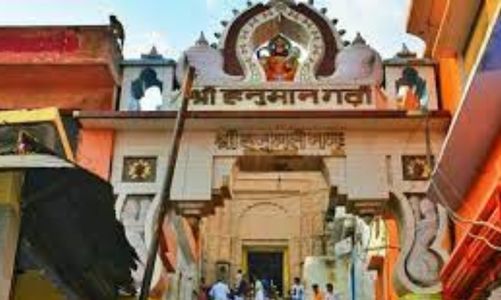
Hanuman Garhi is one of the most popular temples in Ayodhya. The temple honours Lord Hanuman, who holds a special place in the Ramayana and in Hindu devotional traditions.
The temple stands on a mound and visitors reach the main shrine by climbing a flight of steps. Devotees traditionally visit Hanuman Garhi before proceeding to other important temples in Ayodhya.
According to local belief, Lord Hanuman protects Ayodhya from this sacred location. Consequently, the temple remains an important stop for pilgrims throughout the year.
Kanak Bhawan
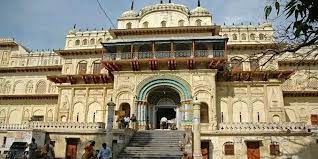
Kanak Bhawan was constructed in 1891, this temple is also known as Sone-Ka-Ghar. It is a holy site dedicated to the Hindu deity God Ram and his wife, Goddess Sita.
Kanak Bhavan is a prominent temple in Ayodhya, revered for its historical and religious significance. Here’s a detailed look at this important site:
Historical and Religious Significance
- Dedicated to Sita and Rama: Kanak Bhavan is primarily dedicated to Goddess Sita and Lord Rama, two central figures in the Hindu epic, the Ramayana. The temple is particularly associated with Sita, the consort of Lord Rama.
- Legendary Origins: According to tradition, the temple was built by Queen of Kaushal, a revered queen who was a devotee of Lord Rama. It is believed that this temple was originally constructed to commemorate the divine couple’s stay in Ayodhya.
Architecture and Features
- Structure: The temple features a distinctive architectural style with intricate carvings and ornate decorations. It houses beautiful idols of Lord Rama and Goddess Sita, along with images of other deities from the Ramayana, including Hanuman and Lakshman.
- Idol Placement: The main deities are depicted in an elegant form, with Lord Rama and Goddess Sita seated together, symbolizing their eternal bond.
Cultural and Pilgrimage Importance
- Religious Practices: Kanak Bhavan is an important site for devotees, who visit to offer prayers and seek blessings. The temple holds special significance during festivals like Ram Navami and Diwali, when it becomes a hub of religious activities and celebrations.
- Historical Context: The temple has been a part of Ayodhya’s religious and cultural history for centuries. It reflects the deep-rooted connection of Ayodhya with the epic Ramayana and its characters.
Nageshwarnath Temple
Nageshwarnath Temple is an important Shiva temple located in Ayodhya. The shrine honours Lord Shiva in his form as Nageshwar, or the “Lord of Serpents.”
According to local tradition, Kusha, the son of Lord Rama, established the temple. This association connects Nageshwarnath Temple with the ancient traditions of Ayodhya and the Ramayana.
The temple attracts Shiva devotees throughout the year. It also becomes especially important during Mahashivratri and other major Hindu festivals.
If you are exploring Ayodhya’s religious heritage, Nageshwarnath Temple offers an interesting contrast to the city’s many Rama and Hanuman temples.
Historical and Religious Significance
- Mythological Importance: The temple is linked to various legends in Hindu mythology. It is believed that Nageshwarnath was established by Kush, the son of Lord Rama, which ties it to the Ramayana’s heritage.
- Devotional Significance: Lord Shiva, as Nageshwarnath, is worshipped here for protection and spiritual well-being. The temple is considered a significant site for devotees seeking blessings from Shiva.
Swarg Dwar Or Ram Ghat
This is an important bathing Ghat. As per the Hindu faith, God Ram has been cremated here. The stip of land from Shharshdhara to Nageshwar temple is commonly symbolized as Swarg Dwar.
Swarg Dwar, also known as Ram Ghat, is a significant and revered site in Ayodhya, located on the banks of the Saryu River. Here’s a detailed overview:
Historical and Religious Significance
- Mythological Importance: Swarg Dwar is believed to be the gateway to heaven (Swarg) in Hindu mythology. According to local traditions and beliefs, it is considered one of the most auspicious places for performing last rites and cremations.
- Role in Ramayana: The ghat is closely associated with the epic Ramayana and the legendary figure of Lord Rama. It is said that Lord Rama chose this location for his final departure from the mortal world, which adds to its sacredness.
Features and Activities
- Cremation Site: Swarg Dwar is primarily known as a cremation ghat where many people come to perform the last rites of their loved ones. It is believed that performing the last rites here ensures the soul’s smooth transition to the afterlife.
- Scenic Beauty: The ghat offers picturesque views of the Saryu River, with its serene and tranquil setting contributing to its spiritual ambiance. Pilgrims and visitors often take a moment to reflect and meditate by the riverside.
Ram Ki Paidi
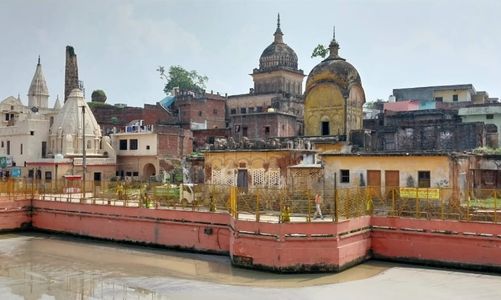
Ram ki Paidi is a series of Ghats on the bank of River Saryu in Ayodhya. A large number of pilgrims visit every day to take a sacred bath in the holy river Saryu.
Ram Ki Paidi is an important and vibrant site in Ayodhya, notable for its religious and cultural significance. Here’s an overview:
Historical and Religious Significance
- Associated with Lord Rama: The name “Ram Ki Paidi” translates to “The Steps of Rama.” The site is associated with Lord Rama, a central figure in the Hindu epic Ramayana, and is considered a sacred place for devotees.
- Legendary Context: According to local tradition, Lord Rama visited this area during his lifetime. The steps and ghats here are believed to have been used by him, which contributes to the site’s spiritual importance.
Features and Activities
- Bathing Ghat: Ram Ki Paidi is primarily a bathing ghat located along the banks of the Saryu River. It features a series of steps leading down to the river, where pilgrims come to take a holy dip. This act of bathing is believed to cleanse sins and purify the soul.
On the occasion of Deepawali in 2019 Ayodhya created the Guinness record by lightning 450000 diyas on Ram Ki Paidi.
Dashrath Mahal
In Ayodhya Dasharath Mahal is an extraordinary place to Visit. It is Located in the heart of the city. Dashrath Mahal is the original residence of King Dashrath- the ruler of Ayodhya and father of God Ram.
Dashrath Mahal is a historical and architectural landmark in Ayodhya, closely associated with the royal lineage of the city. Here’s a detailed look at Dashrath Mahal:
Historical and Cultural Significance
- Royal Residence: Dashrath Mahal is traditionally believed to be the palace of King Dashrath, the father of Lord Rama, a central figure in the Hindu epic Ramayana. King Dashrath ruled Ayodhya and the palace is said to be where he lived with his family.
- Legendary Context: The palace is linked to various legends and stories from the Ramayana. It is thought to be the location where significant events in the epic took place, including the birth of Lord Rama and his brothers.
Architectural Features
- Historical Architecture: The palace’s architectural style reflects the grandeur of ancient Ayodhya. Though much of the original structure may not have survived, the remnants and ruins provide insights into the architectural prowess of the period.
MANI PARBAT
Mani Parbat is a notable site in Ayodhya with significant religious and historical importance. Here’s an overview:
Historical and Religious Significance
- Religious Context: Mani Parbat is believed to be a sacred hill or mound associated with Lord Rama and the epic Ramayana. It is considered a holy site where religious activities and rituals have been performed for centuries.
- Legendary Association: According to local traditions, Mani Parbat is linked to various legends from the Ramayana. It is often associated with the mythology surrounding Lord Rama and his divine activities.
Features and Activities
- Sacred Mound: The site features a small hill or mound, which is considered sacred by the local devotees. The mound is viewed as an important part of the religious landscape in Ayodhya.
- Pilgrimage Spot: Mani Parbat is a place of pilgrimage where devotees come to offer prayers and seek blessings. The site contributes to Ayodhya’s spiritual ambiance and is part of the broader pilgrimage experience in the city.
Best Time to Visit Ayodhya- All You Need to Know
–Timing: Devotees can enter the Shri Ram Janmabhoomi Mandir for Darshan from 6:30 AM to 9:30 PM. Entry Pass: No entry pass is required for general Darshan. However, entry for special Aartis such as Mangala Aarti at 4 AM, Shringar Aarti at 6:15 AM, and Shayan Aarti at 10 PM requires an entry pass.
–The Shri Ram Janmbhoomi Teerth Kshetra and Ayodhya administration have decided to ban the use of Mobile phones within the Ram Janmabhoomi temple premises.
How to Reach Ayodhya
Where to Stay in Ayodhya
Explore Ayodhya with a Local Guide
Ayodhya has much more to offer than its most famous temples. A knowledgeable local guide can help you understand the stories, traditions, architecture, history, and cultural significance behind the places you visit.
At Trip Varanasi, we provide customized travel assistance and guided tours for visitors exploring Ayodhya and other major pilgrimage destinations in North India.
For assistance with your Ayodhya sightseeing tour, private transportation, guide services, or customized pilgrimage itinerary, contact us:
Devendra Kumar Mishra
Licensed Tourist Guide
Varanasi | Prayagraj | Ayodhya | Bodhgaya
Phone / WhatsApp: +91 9839983021
Website: www.tripvaranasi.com
Plan your Ayodhya visit with a comfortable itinerary and experience the spiritual and cultural heritage of this ancient city.