
By Devendra Kumar Mishra, +91 9839983021, www.tripvaranasi.com
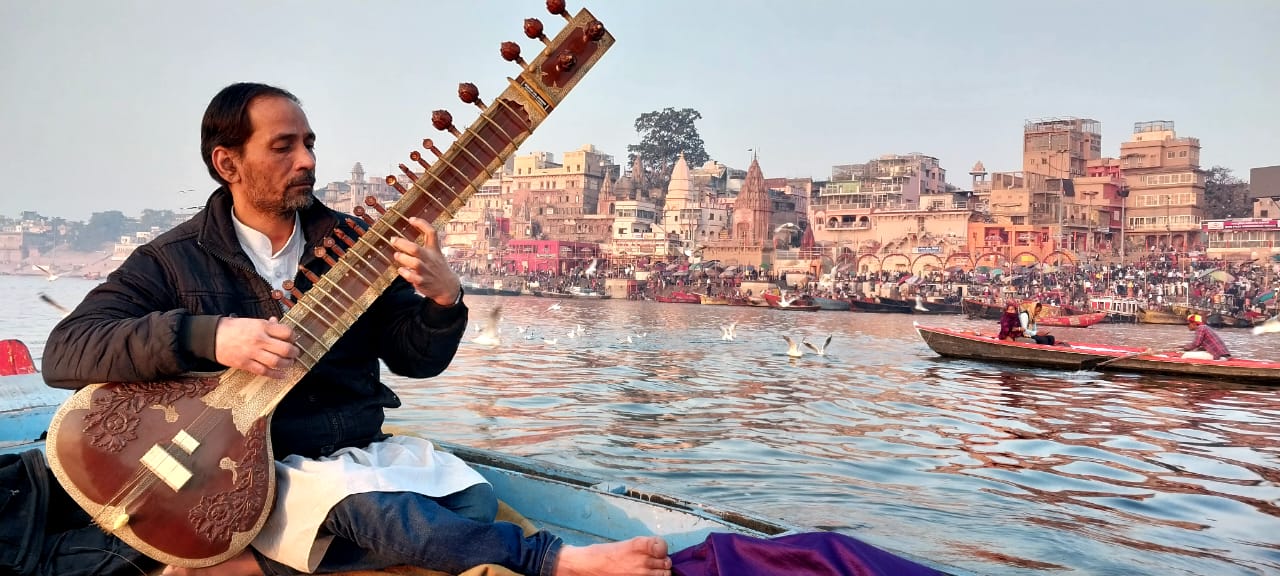
Varanasi, one of the oldest living cities in the world, is synonymous with its iconic ghats. Stretching along the sacred River Ganges, these stepped riverfronts are not just architectural marvels but spiritual epicenters that define the cultural and religious identity of India. There are over 80 ghats in Varanasi, each with its own unique story, purpose, and significance.
In this guide, we explore the most important ghats in Varanasi, uncovering their history, mythology, and spiritual importance.
What Are Ghats and Why Are They Important?
Ghats are a series of steps leading down to a river, primarily used for bathing, religious rituals, and cremation ceremonies. In Varanasi, ghats are deeply tied to Hindu beliefs about life, death, and liberation (moksha).
Pilgrims visit these ghats to:
- Take holy dips in the Ganges to cleanse sins
- Perform rituals for ancestors
- Witness or participate in cremation rites
- Experience the spiritual aura of daily Ganga Aarti
Dashashwamedh Ghat: The Spiritual Heart of Varanasi
Dashashwamedh Ghat is the most famous and vibrant ghat in Varanasi. According to mythology, Lord Brahma performed ten horse sacrifices (Dashashwamedh) here to welcome Lord Shiva.
Key Highlights:
- Venue of the grand Ganga Aarti held every evening
- Always bustling with pilgrims, priests, and tourists
- Ideal for experiencing the spiritual energy of Varanasi
The synchronized rituals, chanting, and lamps during the evening aarti create an unforgettable experience.
Manikarnika Ghat: The Gateway to Moksha
Manikarnika Ghat is one of the oldest and most sacred cremation ghats in India. It is believed that cremation here grants liberation from the cycle of birth and death.
Mythological Significance:
Legend says that Goddess Parvati lost her earring (Manikarnika) here, and Lord Shiva declared it a sacred site.
Unique Aspects:
- Funeral pyres burn continuously, 24/7
- Considered the most auspicious place for cremation
- Symbolizes the cycle of life and death
Despite its intense atmosphere, it offers profound spiritual insight into Hindu philosophy.
Harishchandra Ghat: The Ghat of Truth
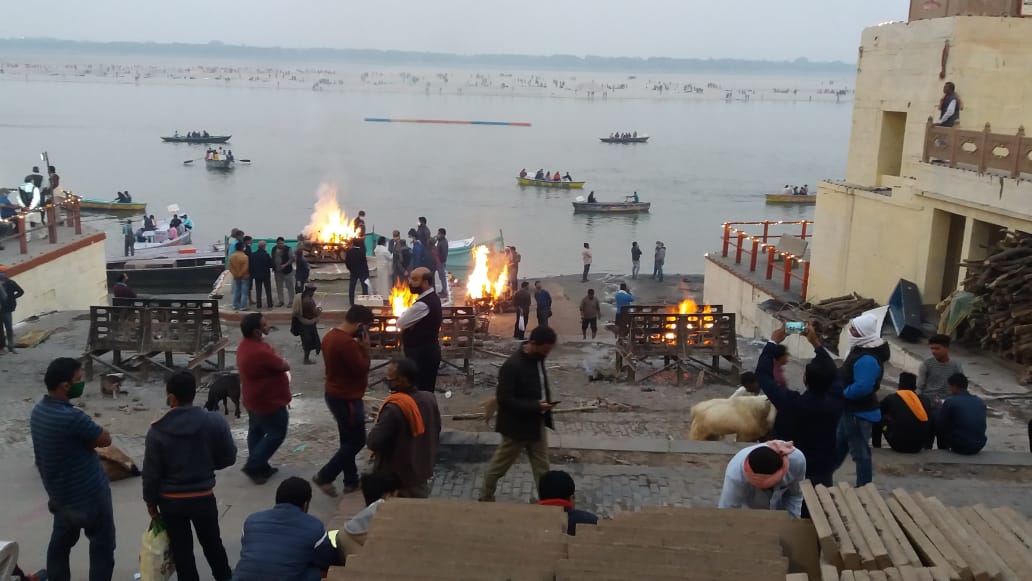
Named after King Harishchandra, known for his unwavering truthfulness, this ghat is another important cremation site.
Story Behind the Ghat:
King Harishchandra is believed to have worked at this cremation ground, performing last rites to uphold truth and duty.
Why It Matters:
- Represents sacrifice, truth, and righteousness
- Less crowded than Manikarnika Ghat
- Offers a quieter but equally significant spiritual experience
Assi Ghat: Where Spirituality Meets Serenity
Assi Ghat is located at the southern end of Varanasi and is popular among both locals and tourists.
Key Features:
- Believed to be the place where Goddess Durga threw her sword after killing demons
- Known for its peaceful ambiance
- Hosts morning yoga sessions and cultural events
This ghat is perfect for those seeking a calm and reflective environment.
Panchganga Ghat: Confluence of Five Rivers
Panchganga Ghat holds immense religious importance as it is believed to be the meeting point of five sacred rivers: Ganga, Yamuna, Saraswati, Kirana, and Dhutapapa.
Spiritual Importance:
- Associated with several saints and scholars
- A hub for learning and religious discourse
- Ideal for meditation and spiritual practices
Kedar Ghat: A South Indian Connection
Kedar Ghat is known for its vibrant architecture and strong connection to South Indian culture.
Highlights:
- Houses the Kedareshwar Temple dedicated to Lord Shiva
- Popular among South Indian pilgrims
- Known for its colorful steps and clean surroundings
Tulsi Ghat: A Literary Legacy
Tulsi Ghat is named after the great poet Tulsidas, who is believed to have composed parts of the Ramcharitmanas here.
Cultural Significance:
- Hosts cultural festivals and performances
- Associated with classical music and literature
- A quieter ghat with historical importance
Raj Ghat: A Historical Landmark
Located near the ancient ruins of Varanasi, Raj Ghat marks the site of the old city.
Why Visit:
- Offers a glimpse into Varanasi’s ancient past
- Less crowded and more peaceful
- Ideal for history enthusiasts
Scindia Ghat: The Leaning Temple Mystery
Scindia Ghat is famous for its partially submerged Shiva temple, which appears to be leaning into the river.
Interesting Facts:
- The temple sank due to architectural weight
- Adds a mysterious charm to the ghat
- Popular among photographers
The Daily Ritual: Ganga Aarti
One of the most mesmerizing experiences in Varanasi is the Ganga Aarti, primarily held at Dashashwamedh Ghat.
What to Expect:
- Priests performing synchronized rituals with fire lamps
- Chanting of hymns and ringing of bells
- A spiritual atmosphere that captivates all visitors
The aarti symbolizes gratitude to the River Ganges and is a must-see for anyone visiting Varanasi.
Best Time to Visit the Ghats
To fully experience the beauty of Varanasi’s ghats:
- Early Morning: Witness sunrise and peaceful rituals
- Evening: Attend the Ganga Aarti
- Winter Months (October–March): Ideal weather for exploration
Tips for Visiting Varanasi Ghats
- Dress modestly to respect local customs
- Be mindful while visiting cremation ghats
- Avoid photography in sensitive areas
- Take a boat ride for a panoramic view of all ghats
Conclusion: The Soul of Varanasi Lies in Its Ghats
The ghats of Varanasi are more than just steps leading to a river—they are living symbols of faith, tradition, and the eternal cycle of life and death. Each ghat tells a story, offering a unique perspective on spirituality and culture.
Whether you seek peace, understanding, or a deeper connection to life, the ghats of Varanasi provide an experience unlike any other.
By Devendra Kumar Mishra, +91 9839983021, www.tripvaranasi.com